How to Get Your Portfolio in Front of UK Galleries and Studios

Most artists do not have a contact problem. They have a targeting and timing problem. The same portfolio sent to twenty wrong places will do far less for you than five carefully aimed approaches, made in the right month, to the right person, in the right shape.
Getting your work in front of UK galleries, artist-led spaces and studios is a practical process. It has steps, seasons and a fair amount of etiquette. None of it is secret, and almost all of it is learnable.
Start With Open Calls, and Read Them Like a Contract
Open calls are the most democratic route in, and the easiest to do badly. They arrive through mailing lists, listings sites and the Instagram accounts of spaces you already admire, and they usually have fixed rules that are not negotiable.
- Look for calls on the listings pages of CuratorSpace, ArtRabbit, a-n and Artquest, and subscribe to the newsletters of studio groups and arts centres in your region.
- Check eligibility properly: some calls are restricted by postcode, medium, career stage, or whether you are a student or recent graduate.
- Check the fee, and check what the call actually offers. An exhibition, a residency, a publication and a group show in a borrowed shop unit are four very different opportunities.
- Put the deadline in your calendar with a reminder four days early. The most common wasted effort in this whole process is a strong submission sent late.
Two or three well-matched applications a month will serve you better than a scattergun of twelve in one weekend. If a call asks for a proposal, write it in clear, plain language. Curators read a lot of them, and the ones that are easy to understand are the ones that get discussed.
Treat Your Degree Show as an Outreach Deadline
Degree shows are not just an exhibition. They are the one moment when a large number of people who programme exhibitions are, quite literally, walking past your work. Most UK art school shows run in late spring and early summer, with some in the autumn, so start the work well before the paint goes on the wall.
Build a list of people you want in the room: curators from spaces you respect, alumni, local gallerists, studio directors, arts officers at your council, and anyone who has helped you. Send them a short personal email three or four weeks before the show with the dates, the private view time, and one line about what you are showing. Not a mass invite posted to forty people at once. A real email to ten people is worth more.
Afterwards, if someone came, follow up with a link to your portfolio and three to five images. Keep it short. This is the point where a lot of people go quiet, and it is precisely the point where a follow-up is expected rather than unwelcome.
Artist-Led Spaces, Studio Groups and Open Studios
Commercial galleries and major institutions are not the only doors. In the UK, much of the most interesting programming happens in artist-led spaces, studio cooperatives and project rooms, and these are generally far more accessible. The people running them are often artists themselves, working on a shoestring, and they respond well to genuine interest rather than a pitch.
Attend the openings. Go to the talks. Volunteer for a hang or a mailing day. Ask for a studio visit or a crit rather than asking to be represented, because a studio visit is a reasonable request and representation is not. If you have a studio in a building, use open studios properly: label work clearly, have a printed price or enquiry list, keep a visitor book, and follow up within a week with anyone who showed real interest.
The Approach Email That Gets a Reply
Keep it short. Four short paragraphs is a long email in this context. A structure that works:
- Who you are in one line, including where you are based and what you make.
- Why this person or space specifically. Reference a show you actually visited or a programme you follow. One concrete sentence is enough, and it is the difference between a considered email and spam.
- What you are asking for. Be clear. A studio visit, fifteen minutes of advice, consideration for future group programming, or a look at your portfolio. Vague emails get vague non-replies.
- A link. A clean portfolio page with eight to twelve well-photographed works and short captions is ideal. Do not attach large files unless the guidelines ask for them.
Give it a specific subject line, use the person's name, and sign off properly. Then wait. Follow up once after about two weeks with a single polite line. If there is still no reply, let it go and move on. Silence is usually workload, not judgement.
Timing: When to Send, When to Wait
Programmes are planned months, sometimes more than a year, ahead. That means the useful question is not "can I show here in March?" but "what are you planning for next year, and when should I send something?" Ask it directly and you will often get a straight answer.
In practice, Tuesday to Thursday, mid-morning, is a good window for an email. Friday afternoons disappear. August is a write-off for most arts organisations, and the fortnight around Christmas is worse. If you are querying a deadline, ask at least a week before it closes rather than the night before. Open calls themselves tend to cluster around January and September, so plan your quieter months for portfolio upkeep and studio visits.
The Etiquette That Gets You Remembered
- Follow the submission format exactly: file names, image count, dimensions, the lot.
- Do not send unsolicited large attachments or link to a folder of two hundred images.
- Ask for feedback only if it was offered. If you do ask, ask once, politely, and accept a short answer.
- Thank people who give you their time, and credit the technicians, invigilators and volunteers who helped you.
- Share other people's work and turn up to their shows. The arts world in any city is small, and generosity travels.
- When you are declined, reply with one line of thanks. It costs nothing and it is remembered.
Keep a simple record of who you contacted, when, and what happened. Three months later you will not remember, and a follow-up sent at the right moment to the right person is one of the most reliable ways to get a yes.
A Workable Three-Month Routine
Month one: photograph your work properly, build or tidy your portfolio, and list twenty spaces, studios, projects and curators you would genuinely like to work with. Month two: send eight to ten considered emails and apply to two open calls that fit. Month three: follow up on anything unanswered, visit three exhibitions, go to two openings, and ask one useful question of one person.
Repeat that three times and you will have approached more than thirty relevant people, with a portfolio that has improved along the way. That is the whole trick. Not one perfect email, but a steady, well-mannered presence in the places where your work belongs.
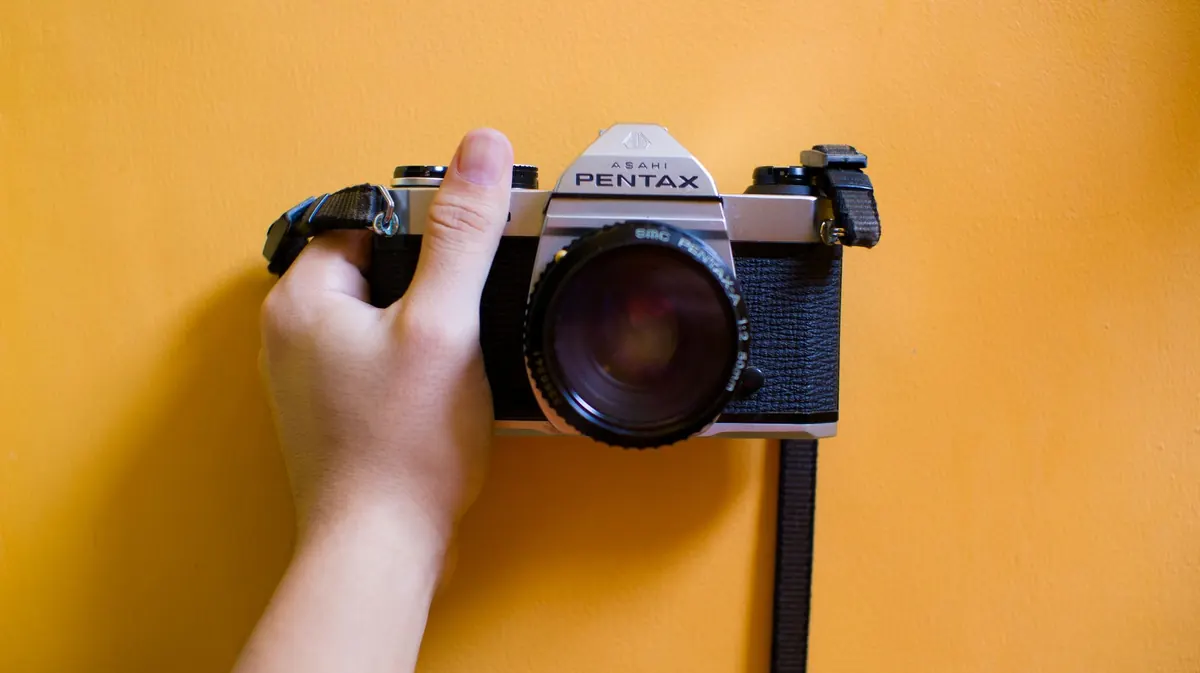
Photo: PeterDargatz / Pixabay